
Small Job Concrete Contractors
Best Concrete Contractors for Small Residential & Commercial Jobs in Florida
Table of Contents
Explore this Content with Smart Assistance
Are you a Florida homeowner looking for small job concrete contractors near you? Whether you need a walkway repaired, a small patio installed, or minor commercial concrete work completed, finding the right contractor for these smaller projects can be challenging. Many large concrete companies focus on major projects, leaving homeowners and small business owners struggling to find quality contractors willing to take on smaller jobs.
At Legacy Concrete Construction and Landscaping, we understand the importance of every project, regardless of size. This comprehensive guide will help you navigate the process of finding and hiring the best concrete contractors for small residential and commercial jobs in Florida, with a special focus on the Winter Haven area and surrounding communities.
Understanding Small Residential Concrete Projects
Common Small Concrete Jobs for Florida Homes
Florida homeowners often need various small concrete jobs that enhance both the functionality and aesthetic appeal of their properties.
These projects typically include:
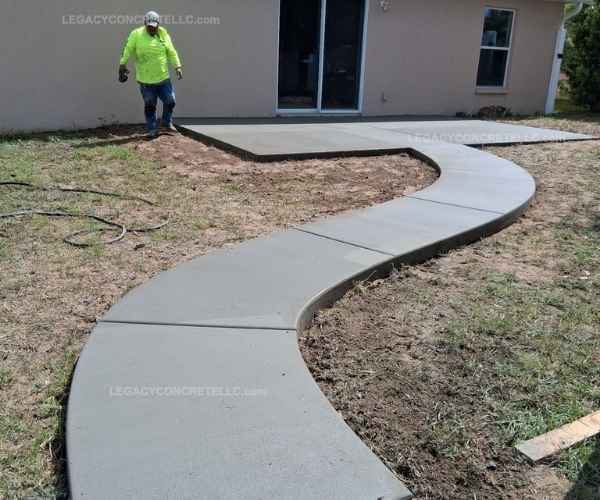
- Walkway and Pathway Installation: Creating attractive and durable concrete paths that connect different areas of your property, designed to withstand Florida’s unique climate conditions
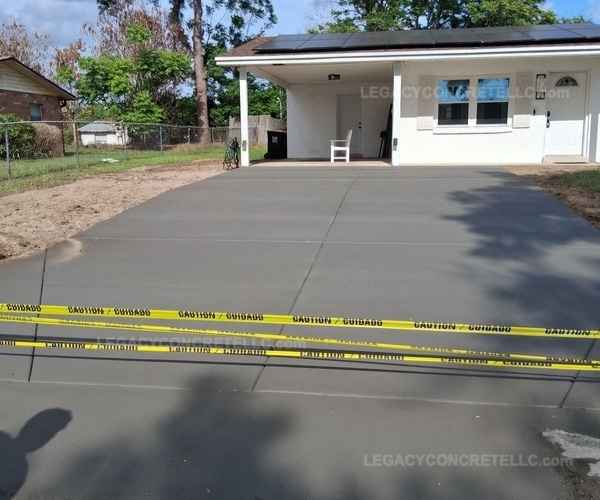
- Driveway Repairs: Addressing cracks, spalling, or uneven sections of existing driveways without complete replacement.
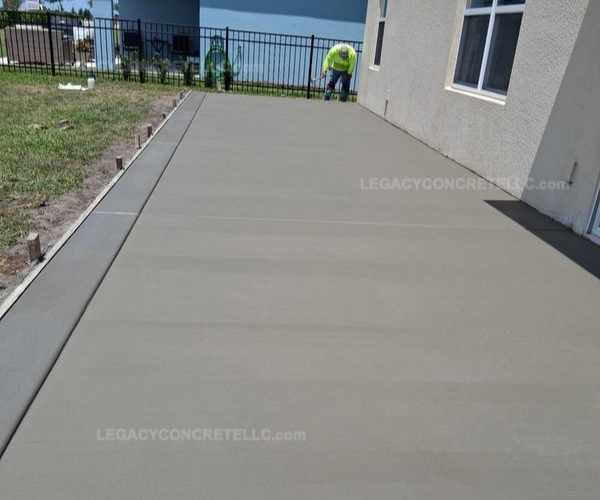
- Small Patio Spaces: Building compact outdoor entertainment areas that maximize limited space while providing durability against Florida’s heat and occasional severe weather.
- Pool Deck Repairs: Fixing damaged sections of pool surrounds or updating older designs with new decorative concrete options.
- Concrete Steps and Entryways: Enhancing home entrances with well-designed concrete steps that blend functionality with curb appeal.
- Decorative Borders and Edging: Adding definition to landscaped areas with concrete edging that creates clean lines between grass, mulch, and garden beds.
- Small Shed Foundations: Creating stable concrete pads for storage sheds, outdoor kitchens, or similar small structures.
What Makes a Residential Concrete Project "Small"
Understanding what constitutes a “small” concrete project helps homeowners identify the right type of contractor for their needs:
- Project Size: Generally, small residential concrete projects involve less than 400 square feet of surface area.
- Duration: These jobs typically take 1-3 days to complete, from preparation to finishing.
Crew Requirements: Small jobs usually require only 2-4 workers rather than large teams. - Equipment Needs: Projects that can be completed with minimal heavy equipment, often using smaller portable mixers or ready-mix deliveries rather than large concrete trucks.
- Complexity: Though limited in size, small projects may still involve decorative elements, specialty finishes, or other customizations that require skill and expertise.
Benefits of Hiring Specialized Small Job Concrete Contractors
Many homeowners make the mistake of hiring either DIY-level handymen or large commercial contractors for small concrete jobs. However, specialists in small concrete projects offer distinct advantages:
- Appropriate Scaling: Contractors who regularly handle small jobs have the right-sized equipment and crews, preventing unnecessary costs associated with oversized operations.
- Attention to Detail: Small job specialists tend to provide more personalized attention to your project rather than treating it as just another stop in a busy schedule.
- Efficiency: Experienced small job contractors have streamlined processes specifically for limited-scale projects, often completing work faster than larger companies that prioritize bigger jobs.
- Cost-Effectiveness: Without the overhead of large operations, specialized small job contractors can frequently offer more competitive pricing for limited-scope projects.
- Local Knowledge: Small concrete contractors working in specific Florida regions understand local soil conditions, weather patterns, and building requirements that affect concrete performance.
Finding the Right Commercial Concrete Contractor for Small Jobs
Types of Small Commercial Concrete Projects
Small businesses and commercial property owners often require concrete work that differs from residential projects in scope and specifications:
Entrance Improvements:
Updating store or office entrances with new concrete work that enhances accessibility and appearance.
ADA Compliance Updates:
Installing or modifying ramps, walkways, and other concrete elements to meet current accessibility standards.
Parking Area Repairs:
Addressing limited sections of damaged parking areas without disrupting business operations.
Loading Zone Reinforcement:
Strengthening specific areas that experience higher weight loads without redoing entire concrete surfaces.
Outdoor Seating Areas:
Creating functional concrete patios for restaurants, cafes, or employee break areas.
Sign Bases and Monument Foundations:
Constructing solid concrete foundations for business signage and displays.
Small Equipment Pads:
Building durable concrete bases for HVAC equipment, generators, or other commercial machinery.
Why Specialized Contractors Matter for Commercial Work
Commercial concrete projects, even small ones, require contractors who understand business-specific considerations:
Code Compliance:
Commercial concrete work must adhere to stricter building codes and ADA requirements than residential projects.
Business Continuity:
Experienced commercial contractors minimize disruption to daily operations during concrete installation or repairs.
Durability Requirements:
Commercial spaces typically experience higher traffic and usage, requiring concrete mixes and finishing techniques designed for increased durability.
Liability Concerns:
Professional commercial concrete contractors carry appropriate insurance coverage specific to business property work.
Technical Specifications:
Commercial projects often require meeting precise engineering specifications rather than simply achieving an aesthetic goal.
Commercial Concrete Quality Standards in Florida
Florida’s unique environment creates specific challenges for commercial concrete applications:
Heat and UV Resistance:
Commercial concrete in Florida must withstand intense sun exposure without excessive cracking or deterioration.
Water Management:
Proper slope and drainage considerations prevent standing water issues that could create liability concerns for businesses.
Salt Resistance:
In coastal areas, commercial concrete must resist salt-related deterioration that can compromise structural integrity.
Hurricane Considerations:
Commercial concrete elements must meet Florida’s stringent wind and impact resistance standards.
Local Building Codes:
Municipalities throughout Central Florida maintain specific requirements for commercial concrete that may differ from general residential standards.
Top Factors to Consider When Hiring Concrete Contractors
Licensing and Insurance Requirements
Before hiring any concrete contractor in Florida, verify these essential credentials:
State Licensing:
Florida requires concrete contractors to hold appropriate licensing through the Construction Industry Licensing Board. Always verify a contractor’s license number through the Florida DBPR website.
Local Business Registration:
Legitimate contractors maintain proper registration in the specific counties and municipalities where they operate.
Liability Insurance:
Confirm contractors carry sufficient liability coverage (typically $1,000,000 minimum) to protect your property.
Workers' Compensation:
Ensure the contractor provides workers’ compensation coverage for all employees who will be on your property.
Bonding:
For added protection, consider contractors who
Experience and Specialization
The quality of concrete work depends significantly on the contractor’s expertise:
Years in Business:
Look for contractors with established history in your specific region of Florida.
Similar Project Portfolio:
Request examples of past projects similar to yours in size, style, and purpose.
Specialization:
Some contractors excel at decorative concrete while others focus on structural applications – find one whose expertise matches your project needs.
Florida-Specific Knowledge:
Experienced local contractors understand how to adapt concrete techniques to Florida’s climate challenges.
Technical Training:
Quality contractors invest in ongoing education to stay current with industry best practices and innovations.
Customer Reviews and Portfolio
Research a contractor’s reputation before making your decision:
Online Review Platforms:
Check Google Business, Yelp, and specialized contractor review sites for consistent positive feedback.
Before/After Photos:
Request detailed project photos that demonstrate the contractor’s attention to detail.
Reference Calls:
Ask for references from past clients with similar projects and actually call them.
Problem Resolution:
How a contractor handles inevitable challenges reveals more about their professionalism than projects that go perfectly.
Local Reputation:
In smaller Florida communities, word-of-mouth reputation provides valuable insight into contractor reliability.
Communication and Professionalism
The contractor-client relationship strongly influences project success:
Responsiveness:
Quality contractors respond promptly to inquiries and maintain clear communication throughout the project.
Detailed Written Estimates:
Professional contractors provide comprehensive written estimates that specify materials, labor, timeline, and payment terms.
Contract Clarity:
All aspects of the project should be clearly defined in a written contract that protects both parties.
Project Management:
Established processes for scheduling, material ordering, and quality control indicate professional operations.
Customer Education:
The best contractors take time to explain processes, options, and maintenance requirements rather than rushing through decisions.
Small Concrete Project Process and Timeline
Initial Consultation and Quote
The concrete project process begins with thorough assessment and planning:
- Property Evaluation: Professional contractors begin with a site visit to evaluate existing conditions, access, and any challenges specific to your property.
- Project Discussion: During the initial meeting, clearly communicate your goals, design preferences, and any specific requirements for the concrete work.
- Measurement and Calculation: Accurate measurements determine material quantities and project pricing – beware of contractors who provide quotes without precise measurements.
- Written Proposal: Quality contractors provide detailed written proposals that specify exactly what work will be performed, materials used, and associated costs.
- Timeline Projection: The proposal should include an estimated project timeline accounting for Florida weather considerations and material availability.
Project Planning and Material Selection
Proper preparation significantly impacts concrete project success:
- Material Selection: Different concrete mixes serve different purposes – professionals help you select the appropriate mix design for Florida conditions and your specific application.
- Color and Finish Options: For decorative concrete, early decision-making about colors, textures, and patterns ensures materials are available when needed.
- Permit Requirements: Professional contractors handle necessary permits for concrete work, which vary by Florida municipality.
- Utility Marking: Before any excavation, underground utilities must be marked to prevent costly and dangerous service disruptions.
- Site Preparation Planning: Contractors should explain how they’ll prepare the site, including excavation depth, base material, and drainage considerations specific to Florida soils.
Execution and Quality Control
During the active construction phase, several key elements ensure quality results:
- Site Protection: Professional contractors take measures to protect surrounding landscaping, structures, and property features during concrete work.
- Proper Subgrade Preparation: In Florida’s sandy soils, proper compaction and base preparation prevent future settlement problems.
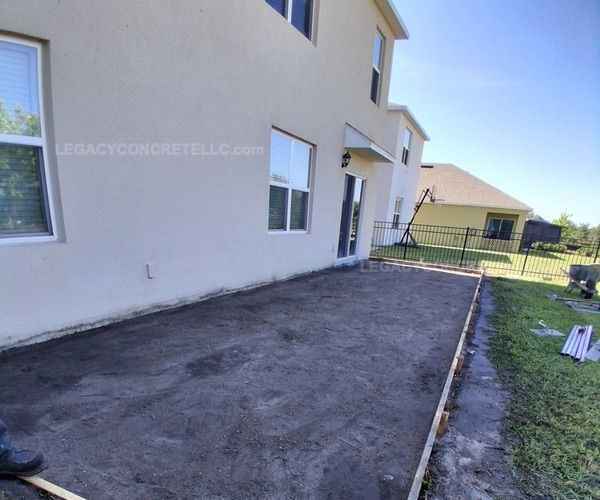
- Form Construction: Quality forms create precise concrete edges and help control proper drainage slopes.
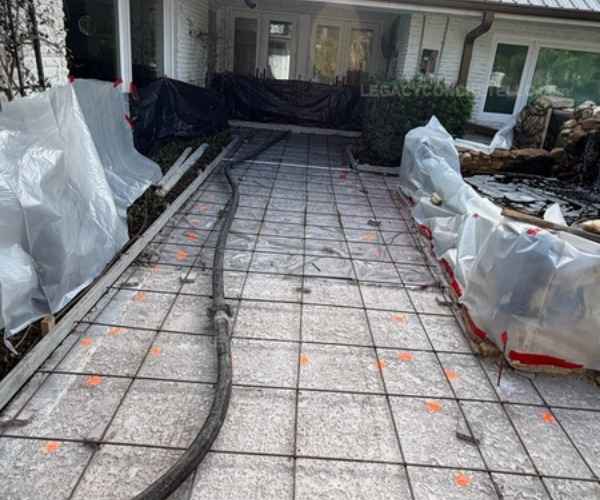
- Reinforcement Installation: Depending on the application, fiber mesh, wire mesh, or rebar may be used to strengthen the concrete appropriately.
- Mix Consistency: Professional contractors monitor concrete consistency upon delivery to ensure it meets project specifications.
- Placement Techniques: Proper pouring, spreading, and consolidation prevent voids and weakness in the finished concrete.
- Finishing Methods: Different applications require specific finishing techniques, from smooth trowel finishes to textured surfaces for slip resistance.
- Curing Procedures: In Florida’s heat, proper curing is essential – quality contractors implement appropriate curing methods to prevent rapid moisture loss that can weaken concrete.
Final Inspection and Maintenance Tips
After project completion, quality contractors provide:
- Walkthrough Inspection: A final review with the client ensures all work meets expectations and specifications.
- Cleanup Confirmation: Professional contractors remove all debris, forms, and equipment, leaving the property clean.
- Maintenance Instructions: Specific guidance on concrete care, appropriate cleaning products, and seasonal maintenance for Florida’s climate conditions.
- Sealing Recommendations: Advice on appropriate sealer products and application timing to protect concrete from Florida’s intense sun and occasional harsh weather.
- Warranty Information: Clear explanation of any workmanship guarantees and manufacturer warranties on materials used.
How to Compare Concrete Contractors for Small Jobs
Questions to Ask Before Hiring
When interviewing potential concrete contractors, ask these essential questions:
- “Are you licensed and insured specifically for concrete work in Florida?” Verify credentials rather than accepting verbal confirmation.
- “How long have you been installing concrete in this specific region of Florida?” Local experience matters with Florida’s unique conditions.
- “Can you provide addresses of similar projects I can view in person?” Quality contractors are proud to showcase their work.
- “What concrete mix designs do you recommend for my specific project and why?” Their answer reveals technical knowledge and attention to your specific needs.
- “How do you handle unexpected issues like rain or equipment problems?” Their contingency planning indicates professionalism.
- “What preparation work is included in your quote?” Proper site prep is crucial but sometimes excluded from lower-priced quotes.
- “Who will be on-site managing my project daily?” Ensure experienced supervision rather than completely delegated work.
- “What steps do you take to ensure proper drainage?” Critical in Florida’s heavy rain conditions.
- “How do you address Florida’s heat during concrete curing?” Shows understanding of regional challenges.
- “What written guarantee do you provide on your workmanship?” Quality contractors stand behind their work with clear terms.
Red Flags to Watch Out For
- Protect yourself by recognizing these warning signs when hiring concrete contractors:
- Significantly Lower Bids: Dramatically lower estimates often indicate corners being cut on materials, proper base preparation, or adequate reinforcement.
- Pressure Tactics: Beware of “today only” pricing or contractors who push for immediate decisions without thorough assessment.
- No Written Contract: Professional concrete work should always be documented with detailed written agreements.
- Large Upfront Payments: While deposits are standard, be cautious of contractors requesting more than 30% upfront before any work begins.
- Vague Specifications: Contracts should detail concrete thickness, PSI rating, reinforcement type, and finish specifications.
- Limited or No References: Quality contractors readily provide multiple references from similar recent projects.
- Communication Delays: If responsiveness is poor during the estimate phase, it will likely worsen during the project.
- No Local Address: Contractors without established local business addresses may be difficult to locate if warranty issues arise.
- Equipment Concerns: Professional concrete contractors maintain well-kept equipment – visibly neglected tools or vehicles suggest similar attention to workmanship.
- Unclear Timeline: Contractors should provide specific project duration estimates rather than vague timeframes.
Value vs. Cost Considerations
Making the right contractor choice involves evaluating value beyond the initial price:
- Material Quality Differences: Higher-quality concrete mixes and reinforcement materials may increase upfront costs but dramatically extend project lifespan.
- Preparation Standards: Thorough site preparation prevents expensive future repairs – compare exactly what preparation work each contractor includes.
- Finishing Expertise: Skilled finishing techniques affect both appearance and durability – experienced finishers command higher rates but deliver superior results.
- Warranty Coverage: More comprehensive warranties may justify higher initial pricing through long-term protection.
- Timeline Reliability: Contractors who maintain schedules prevent cascading delays with other home improvement projects or business operations.
- Problem Resolution History: Contractors with established procedures for addressing inevitable challenges provide peace of mind worth considering in your decision.
- Long-Term Relationship Value: Establishing a relationship with reliable contractors who handle small jobs efficiently can benefit homeowners through priority service for future needs.
Service Areas: Small Job Concrete Contractors Near Winter Haven
Lakeland Concrete Services
Just 14 miles west of Winter Haven, Lakeland residents have specific concrete needs:
Historic Property Considerations:
Many Lakeland homes feature historic elements requiring carefully matched concrete repairs and additions.
Lake District Properties:
Homes near Lake Morton, Lake Mirror, Crystal Lake and other Lakeland lakes benefit from specialized drainage-conscious concrete installation.
South Lakeland Growth:
New developments in South Lakeland frequently require small concrete projects to complement recent construction.
Downtown Business District:
Commercial properties in Lakeland’s revitalized downtown area often need specialized small concrete improvements.
North Lakeland Residential Areas:
Established neighborhoods frequently require concrete repairs and updates rather than complete replacements.
Dundee and Lake Wales Concrete Contractors
These communities east of Winter Haven present unique concrete project considerations:
Rural Property Access:
Many properties require specialized planning for concrete delivery and installation equipment access.
Lake Wales Historic District:
Projects must often complement historic architectural elements while meeting modern standards.
Dundee Growth Areas:
New developments create demand for concrete features that enhance Florida indoor-outdoor living.
Citrus Grove Properties:
Former agricultural properties being converted to residential use often require concrete work adapted to existing landscapes.
Hilly Terrain:
Unlike much of Florida, the Lake Wales Ridge presents elevation challenges requiring specialized concrete installation techniques.
Tampa Area Small Job Specialists
While approximately 50 miles west of Winter Haven, Tampa area properties have access to quality small job concrete services:
Urban Infill Projects:
Tampa’s development boom creates demand for specialized small concrete installations in limited spaces.
Coastal Considerations:
Properties near Tampa Bay require salt-resistant concrete formulations and drainage systems.
Historic Ybor City:
Projects in this district must balance preservation with functionality in concrete installations.
South Tampa Luxury Properties:
High-end homes often require decorative small concrete elements that complement upscale landscaping.
Tampa Commercial Districts:
Small businesses throughout Tampa benefit from contractors willing to handle limited-scale commercial concrete improvements.
Other Central Florida Service Areas
Quality small job concrete contractors also serve these surrounding communities:
Auburndale Concrete Contractor:
- Just minutes from Winter Haven with similar concrete needs and conditions.
Bartow Concrete Contractor:
- The Polk County seat features historic properties requiring specialized concrete approaches.
Haines City Concrete Contractor:
- Growing community with diverse residential concrete needs.
Davenport Concrete Contractor:
- Rapid development creates demand for both new installation and repair services.
Plant City Concrete Contractor:
- Agricultural heritage influences concrete applications for both residential and commercial properties.
Poinciana Concrete Contractor:
- Large planned community with consistent concrete repair and improvement needs.
Winter Park Concrete Contractor:
- Historic properties requiring aesthetic concrete solutions that preserve community character.
Clermont Concrete Contractor:
- Hilly terrain creates unique concrete installation challenges unlike typical Florida topography.
Frequently Asked Questions About Small Concrete Jobs
1. How long does a small concrete project take to complete?
Most small residential concrete projects (under 400 square feet) require 2-3 days total: typically one day for site preparation and form construction, one day for concrete placement and initial finishing, and sometimes a partial day for final detail work and cleanup. Weather conditions in Florida can affect this timeline, particularly during the rainy season.
2. How soon can I use my new concrete surface?
While concrete begins hardening immediately, standard guidance includes:
- Foot traffic: Minimum 24 hours (longer in cooler weather)
- Vehicle traffic: 7-10 days minimum
- Full curing strength: 28 days
Florida’s heat often accelerates initial setting but proper curing remains essential for long-term strength.
3. Do small concrete projects require permits in Florida?
Permit requirements vary by municipality and project scope. Generally, minor repairs may not require permits, while new installations over certain size thresholds typically do. Professional concrete contractors handle permitting processes for their clients, ensuring compliance with local regulations.
4. How should I prepare my property before the concrete contractors arrive?
Helpful preparations include:
- Clearing personal items from the work area and access paths
- Removing vehicles from driveways or garages if access is needed
- Identifying irrigation systems or underground utilities
- Securing pets away from work areas
- Trimming vegetation that might interfere with access or work space
5. What maintenance do concrete surfaces require in Florida's climate?
Florida’s climate creates specific maintenance needs:
- Regular cleaning to prevent mold and mildew growth
- Periodic resealing (typically every 2-3 years) to protect against UV damage
- Prompt cleaning of oil or chemical spills to prevent staining
- Monitoring for settlement or cracking caused by Florida’s sandy soil conditions
- Seasonal inspection after heavy rain periods to ensure proper drainage
6. Why do concrete projects cost what they do?
Concrete project pricing reflects multiple factors:
- Material costs (concrete, reinforcement, forms, etc.)
- Labor expertise required for quality installation
- Site preparation requirements
- Accessibility challenges
- Decorative elements or specialty finishes
- Current material market conditions
- Equipment needs for specific applications
Quality contractors provide transparent breakdowns of these cost components.
7. How do I recognize quality concrete workmanship?
Key indicators of quality concrete installation include:
- Consistent color and texture across the surface
- Proper slope for drainage (typically 1/8″ per foot minimum)
- Clean, straight edges where forms were placed
- Appropriate control joints to manage cracking
- Even thickness throughout the slab
- Smooth transitions between different concrete sections
- No “bird baths” (areas where water pools)
- Proper curing techniques implemented
8. What's the difference between stamped, stained, and plain concrete?
These popular Florida concrete options differ significantly:
- Plain concrete provides a utilitarian gray surface with basic broom or trowel finish – economical but limited aesthetically.
- Stained concrete involves applying chemical or acrylic stains to existing or new concrete, creating color variations without changing the texture – moderate cost increase for significant aesthetic improvement.
- Stamped concrete creates patterns and textures mimicking stone, brick, or other materials by impressing molds into fresh concrete – higher cost but dramatic aesthetic enhancement.
9. How do Florida weather conditions affect concrete installation?
Florida’s climate creates specific concrete challenges:
- High temperatures accelerate setting time, requiring adjusted work methods
- Afternoon thunderstorms during summer months can damage freshly placed concrete
- High humidity affects curing processes
- Seasonal heavy rains may delay projects or require additional site drainage
- Winter temperature fluctuations, while mild compared to northern states, still require monitoring during installation
Professional contractors schedule work accounting for these factors.
10. What should be included in a concrete project contract?
Comprehensive concrete contracts should specify:
- Exact dimensions and locations of concrete placement
- Concrete specifications (PSI strength, mix design, reinforcement details)
- Site preparation scope
- Finish type and color selections
- Project timeline with weather contingencies
- Payment schedule and terms
- Warranty coverage details
- Cleanup responsibilities
- Permit handling procedures
- Process for addressing changes or unexpected conditions
Conclusion: Choosing the Right Concrete Contractor for Your Small Project
Finding qualified small job concrete contractors near you doesn’t have to be challenging. By understanding what constitutes a small project, knowing what questions to ask, recognizing red flags, and evaluating contractors beyond just price, Florida homeowners can secure quality concrete work that enhances their property for years to come.
Legacy Concrete Construction and Landscaping specializes in small residential and commercial concrete projects throughout Central Florida. With our experienced team, comprehensive insurance coverage, and commitment to quality craftsmanship, we provide homeowners with reliable concrete solutions tailored to Florida’s unique conditions.
Ready to Start Your Small Concrete Project?
Contact Legacy Concrete Construction and Landscaping today for a free consultation and estimate. Our team serves Winter Haven, Lakeland, Tampa, and surrounding Central Florida communities with professional small job concrete services for both residential and commercial clients.
Call us today at (863) 206-1067 or complete our online contact form to schedule your free concrete project consultation.
Share this content: